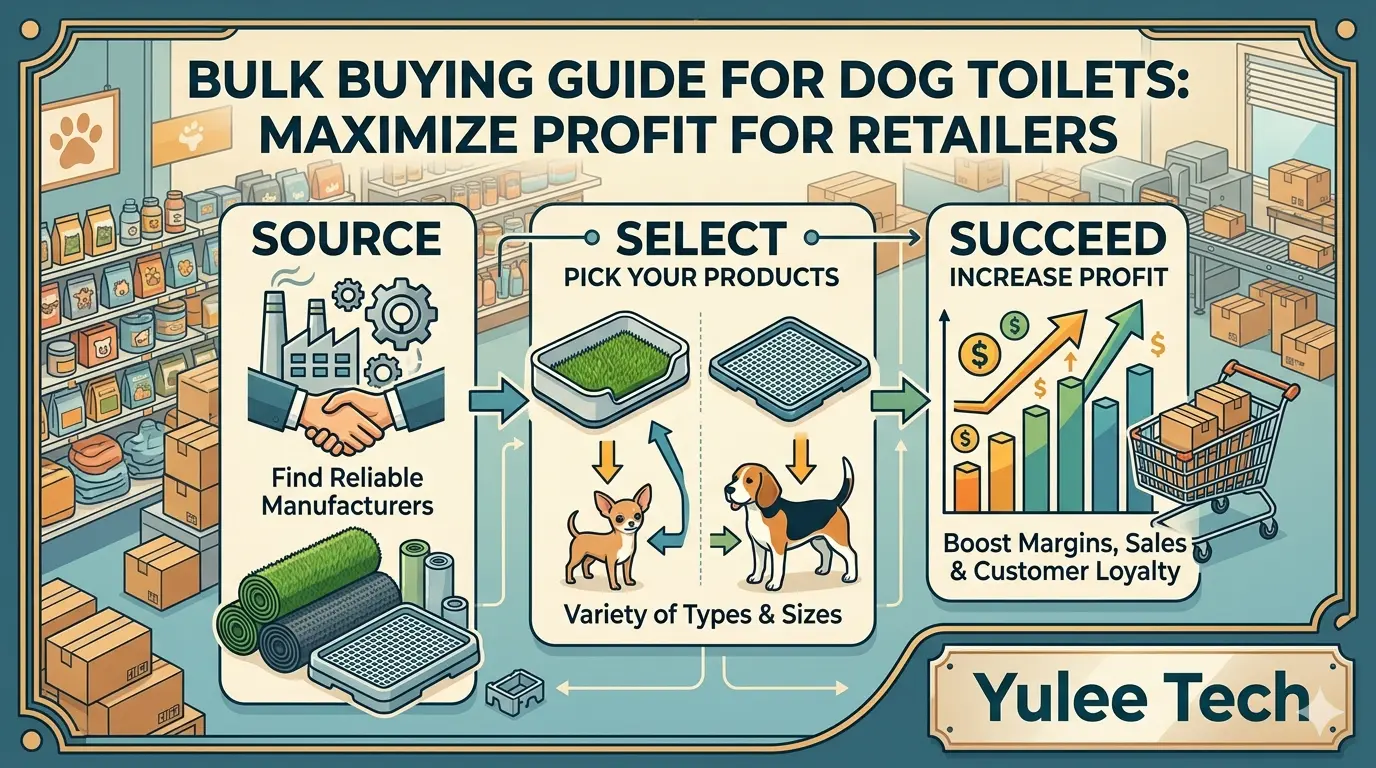
The pet industry is changing fast because more people now live in apartments with their furry friends. This shift has created a huge need for smart indoor plumbing solutions for pets. For business owners, this means that selling indoor dog restrooms is no longer a niche idea but a primary way to grow a retail store. When you look at the current market trends, pet owners are looking for convenience and cleanliness, which makes these products high-priority items. By focusing on a wholesale dog toilet solution for retailers, you can position your shop to meet this rising demand while keeping your costs low and your shelves full of what people actually want.
Investing in bulk inventory is one of the smartest moves a pet shop owner can make today. When you buy in large quantities, you are not just getting more items; you are buying better profit margins. The gap between the manufacturing cost and the final shelf price is where your business grows. Statistics show that the pet care market is growing by billions every year, and sanitation products like portable grass pads and tray systems are leading that growth. This guide will show you how to pick the right stock, find the best makers, and turn a simple plastic tray into a high-profit asset for your retail brand.
To succeed in this market, you must understand that pet parents are very picky about quality. They want materials that do not trap odors and designs that are easy to wash in a small bathroom. If you provide a product that solves the daily struggle of “potty breaks” during rainy days or late nights, you gain a loyal customer for life. Strategic sourcing allows you to offer these high-quality solutions at a price that beats your local competitors while still leaving plenty of room for your business to thrive and expand into new pet categories.
01. Understanding Market Demand
Before you spend any money on stock, you have to know what pet owners are actually searching for in their local area. The demand for dog toilets is not the same everywhere. In big cities where backyard space is limited, the need for indoor potty solutions is much higher than in rural towns. You should identify trending types such as real-feel synthetic grass or heavy-duty plastic grates. Most customers prefer products that are lightweight but sturdy enough to handle a medium-sized dog without flipping over.
Size and usability are the two biggest factors that influence a buyer’s decision. Small dogs like Chihuahuas need low-profile trays, while larger breeds require more surface area to feel comfortable. If you stock only one size, you are turning away half of your potential buyers. Also, pay attention to seasonal patterns. During winter months or monsoon seasons, sales for indoor dog toilets usually spike because owners want to avoid taking their pets outside in the cold or rain. Tracking these habits helps you plan your bulk orders so you never run out of stock during peak shopping times.
02. Choosing the Right Product Variants
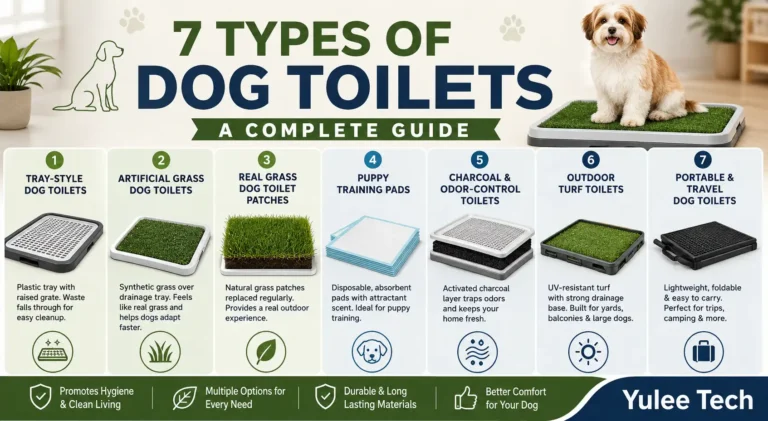
Variety is the key to attracting a wide range of customers to your store. Some owners like tray systems because they are easy to spray down with a hose. Others prefer artificial grass because it feels more natural to the dog and helps with training. There are also advanced training pads that use scent attractants to guide the puppy to the right spot. By offering a mix of these variants, you make your store a one-stop shop for every type of pet owner.
However, you must balance this variety with quality and affordability. If a product is too cheap, the plastic might crack after a week, leading to bad reviews and returns. On the other hand, if it is too expensive, it might sit on your shelf for months. The best approach is to find “middle-ground” products that offer professional-grade durability at a price point that feels fair to a regular household. High-quality materials like non-toxic PP plastic or antimicrobial grass are great selling points that justify a slightly higher price while ensuring the customer stays happy.
03. Evaluating Suppliers and Manufacturers
In the world of bulk purchasing, your supplier is your most important partner. You need someone who can provide a consistent supply without changing the quality of the plastic or the thickness of the grass between orders. When you talk to manufacturers, always ask for their quality certifications. This proves that their products are safe for animals and free from harmful chemicals. Consistency is what allows you to build a reliable brand that customers can trust over time.
| Feature to Check | Why it Matters | What to Look For |
| Material Quality | Prevents cracks and leaks | High-density polyethylene or PP |
| MOQ (Minimum Order) | Affects your initial investment | Flexible limits for growing stores |
| Lead Time | Keeps your shelves full | Fast production and shipping cycles |
| Certifications | Ensures pet safety | ISO or CE safety standards |
Comparing pricing is also vital, but do not just look at the lowest number. A slightly higher price from a supplier who offers better shipping terms or lower MOQs might actually be better for your cash flow. You want a partner who communicates clearly and understands the needs of a retail business. If a manufacturer is slow to answer your questions now, they will likely be slow to help you if an order goes wrong later.
04. Cost Analysis and Profit Margins
To know if you are actually making money, you must calculate the “landed cost” of every unit. This is not just the price you pay the factory. It includes the cost of the product, international or local shipping fees, insurance, and any import duties or taxes. Once you have this total number, divide it by the number of units to see your true cost per item. This is the only way to set a retail price that covers all your expenses and leaves a healthy profit.
Negotiation is a big part of maximizing these margins. Most wholesale sellers are willing to give deeper discounts if you commit to larger volumes or long-term contracts. If you are a new retailer, try to negotiate better payment terms instead of just a lower price. For example, paying 30% upfront and the rest after the goods arrive can help you keep more cash in your pocket for marketing. Always keep an eye on your competitors’ prices so you stay attractive to customers while protecting your bottom line.
05. Storage and Inventory Management
When you buy in bulk, you need a plan for where all those dog toilets will go. These products can be bulky and take up a lot of floor space in a warehouse or back office. Using vertical shelving is a great way to maximize your storage area. Keep the most popular models at eye level so your staff can grab them quickly for shipping or floor display. Efficient storage prevents damage to the packaging, which is important because a crushed box makes the product look “used” or low-quality to a customer.
Inventory tracking is the secret to avoid losing money. You do not want to have too much money tied up in stock that isn’t moving, but you also don’t want to tell a customer that you are “sold out.” Use simple software or even a detailed sheet to track how many units you sell each week. This data tells you exactly when to place your next bulk order. Better sales planning means you can spend your capital on the models that are actually flying off the shelves rather than guessing what might sell.
06. Packaging and Branding Opportunities
One of the biggest advantages of bulk buying is the chance to use private labeling. Many manufacturers allow you to put your own logo on the dog toilet or design a custom box. This turns a generic product into a brand that people recognize. When a customer sees your professional packaging, they feel like they are buying a premium item rather than a basic commodity. Custom packaging also allows you to include useful instructions or a “thank you” note, which adds value to the purchase.
Branding is what makes you stand out in a crowded market. If five different stores are selling the same plastic tray, the one with the best branding wins. You can use your packaging to highlight your brand’s commitment to pet hygiene or eco-friendly materials. This small investment in appearance can allow you to charge a bit more than your competitors because your product looks more “official.” It creates a professional identity that encourages people to come back to your store for other pet supplies.
07. Marketing and Sales Strategy
You need to position dog toilets as an essential tool for modern pet ownership. Do not just list the features; explain the benefits. For example, tell the story of a busy professional who no longer has to rush home at lunch to let the dog out. Use social media to show videos of how easy the product is to clean. If people see how the product solves a real problem, they are much more likely to hit the buy button.
Selling through multiple channels is the best way to move bulk stock quickly. While having these products in a physical store is great for “touch and feel,” online platforms reach a much wider audience. You can use bundle deals to increase your average sale value. For instance, sell a dog toilet together with a bottle of enzyme cleaner or extra training pads at a slightly discounted price. Upselling techniques like these help you clear out inventory faster while giving the customer a complete solution for their pet’s needs.
08. Common Mistakes to Avoid
Many retailers fail because they ignore product quality just to get a lower price. If you sell a dog toilet that leaks or smells bad after two days, you will get a lot of returns and negative comments online. These bad reviews cost much more than the money you saved on the initial purchase. Always test a sample before buying five hundred units. Another mistake is ordering a huge amount of stock without doing any research on what your local customers actually need.
Poor communication with your supplier can also lead to big headaches. If you do not specify the exact color, material, or packaging requirements in writing, you might receive something you cannot sell. Always be very clear about your expectations. Also, avoid the trap of “over-stocking” on a single design. The pet market moves fast, and a new, better design might come out next month. Keep your inventory fresh and varied so you can always offer the latest and most effective products to your buyers.
Conclusion
Success in the pet retail business comes down to smart planning and choosing the right products at the right time. By focusing on bulk buying, you give your business the financial room it needs to grow. Remember that understanding your local market and picking high-quality variants are the foundations of a profitable store. When you combine these with strong supplier relationships and a clear cost analysis, you create a system that brings in steady revenue. Marketing these toilets as essential lifestyle products will help you connect with pet owners on a deeper level, ensuring they choose your shop over big-box retailers.
Managing your inventory and branding your products will separate your business from the average seller. Avoid the common mistakes of chasing the lowest price and instead focus on providing real value to the animals and their owners. If you invest in practical, high-demand items and stay organized with your stock, your retail journey will be both profitable and sustainable. Now is the perfect time to look at your sourcing strategy and make the moves that will put your brand at the top of the pet care industry.
Professional Sourcing for Your Retail Success
If you are ready to upgrade your store’s inventory with high-quality pet sanitation products, finding a reliable manufacturing partner is your next step. Having a partner who understands the balance between durability and retail pricing can make all the difference in your profit margins. You need a source that can handle bulk orders while maintaining the strict quality standards that pet owners expect in today’s competitive market.
For those looking to secure a reliable supply chain, Yulee Tech offers the expertise and production capacity you need. Our team focuses on creating user-friendly pet products that solve real-world problems for pet parents. By choosing a partner that prioritizes innovation and consistent manufacturing, you can focus on growing your sales while we handle the technical details of product quality and bulk delivery.