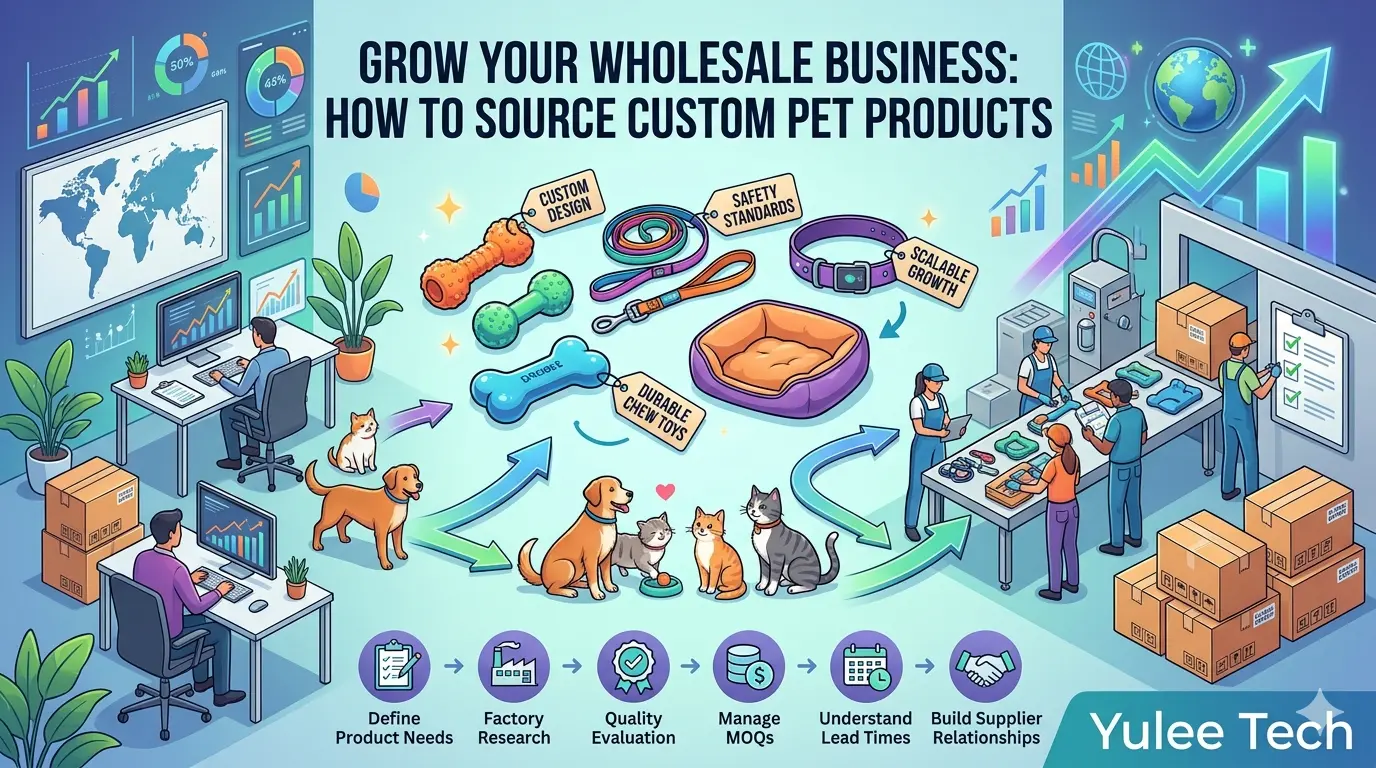
Finding a reliable pet toys manufacturer partner is the most important step for any business owner who wants to scale their brand in the modern market. When you enter the pet industry, you quickly realize that pet owners are no longer looking for basic items. They want unique, safe, and high-quality goods that stand out on the shelves. For a wholesale business, growth comes from your ability to offer something different than your competitors. This process starts with understanding the deep relationship between a brand and its production source. You must focus on original facts, such as material safety standards and factory production capacity, to ensure your inventory meets international quality demands.
To grow your wholesale revenue, you need to look at the specific data of the pet market. Global demand for custom pet gear is rising because people now treat pets like family members. This shift means that generic products often sit in warehouses while custom-designed items move quickly. Sourcing is not just about buying low and selling high; it is about building a supply chain that can handle custom requests, such as specific colors, sizes, or durable materials. By focusing on the actual production facts and logistics of custom manufacturing, you can create a business model that is hard for others to copy. This approach helps you secure better margins and builds a strong foundation for long-term expansion in the competitive B2B landscape.
Identifying Your Custom Product Needs
Before you talk to any factory, you must know exactly what your customers want. In the wholesale world, “custom” can mean many things. It might mean adding a logo to a standard leash, or it could mean creating a brand-new toy shape from scratch. You should look at the current sales data in your region to see which categories are growing. For example, eco-friendly materials like natural rubber or recycled plastic are very popular right now.
When you define your product needs, think about the physical details. You need to decide on the weight, the toughness of the fabric, and the safety of the dyes used in the products. Writing down these specific details helps you avoid confusion later. It also shows potential partners that you are a serious buyer who understands the technical side of the pet industry. Clear communication at this stage prevents expensive mistakes during the mass production phase.
Researching Potential Manufacturing Partners
The internet makes it easy to find lists of companies, but finding the right one requires deep research. You should look for factories that specialize in pet goods rather than general plastic or textile plants. A specialized factory understands the safety risks associated with pets, such as choking hazards or toxic coatings. You can use B2B platforms to filter companies by their certifications, such as ISO or CE marks. These certifications prove that the factory follows international safety and management rules.
Another important factor is the factory’s production capacity. If your wholesale business grows quickly, you need to know if your partner can keep up with larger orders. Ask about their lead times and how they handle peak seasons. A good partner will be honest about their limits. You should also check their history with other international clients. If they have a long history of exporting to major markets, they likely understand the shipping and customs requirements of your country, which saves you from unexpected delays.
Evaluating Factory Quality Standards
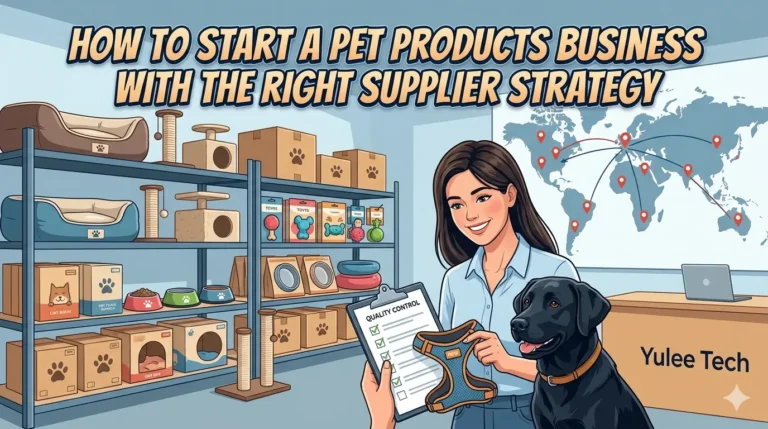
Quality control is the heartbeat of a successful wholesale business. When you source custom items, you cannot afford to receive a shipment of 5,000 units that are all broken or poorly made. You should ask every potential professional pet products supplier about their internal testing steps. Do they check the raw materials before production starts? Do they have workers who inspect the items at the end of the assembly line?
It is a good idea to request a physical sample before you pay for a full order. Testing a sample allows you to feel the material and check the strength of the stitching. For pet toys, you should try to pull the pieces apart to see if they are safe for a dog to chew on. If a factory refuses to send a sample or if the sample feels cheap, it is a sign that you should look elsewhere. High-quality production is the only way to protect your brand reputation and keep your retail clients happy.
Managing Minimum Order Quantities (MOQ)
One of the biggest hurdles in sourcing custom products is the Minimum Order Quantity, or MOQ. Factories set these limits because setting up machines for a custom design costs time and money. For a growing wholesale business, high MOQs can be a risk because they tie up your cash in inventory. However, you can often negotiate these numbers if you show the factory a long-term growth plan.
If the MOQ is too high for one product, you might ask to split the quantity across different colors or sizes of the same design. This strategy helps you offer variety to your customers without buying too many units of a single item. Some factories are willing to lower their MOQ for the first order if they believe you will become a regular customer. Always be clear about your budget and your expected sales volume so that both sides feel the deal is fair.
Understanding Production Lead Times
Timing is everything in the wholesale trade. You need to have your stock ready before the holiday season or major pet events. Custom products always take longer to produce than ready-made items. The process includes creating a mold, testing the first batch, and then the actual mass production. You must factor in these steps when you plan your marketing.
A typical lead time for custom pet goods can range from 30 to 60 days, plus the time it takes for shipping. If you are shipping by sea, you might need to add another month to that timeline. Smart business owners always build a “buffer” into their schedule. If you need the products by October, aim to have them finished by late August. This extra time protects you if there are delays at the port or if the factory has a power outage.
Navigating Shipping and Logistics
Shipping 1,000 sets of pet beds or 5,000 dog toys requires a solid logistics plan. You need to decide between Sea Freight and Air Freight. Sea freight is much cheaper for heavy or bulky pet items, but it is slow. Air freight is fast but can eat into your profits very quickly. Most wholesale businesses use sea freight for their main stock and air freight only for urgent refills.
You also need to understand Incoterms, which are the rules that define who is responsible for the goods during transport. For example, “FOB” (Free on Board) means the supplier pays for the transport to the port, and you pay for everything after that. Knowing these terms helps you calculate the “landed cost” of your product. The landed cost is the total price of one unit after it arrives at your warehouse, including taxes and shipping fees. If you don’t calculate this correctly, you might find that your profit margins are too thin.
Building Long-Term Supplier Relationships
|
Stage of Relationship |
Action Required | Business Benefit |
| Initial Contact | Clear tech packs and specs | Avoids sample errors |
| Sample Testing | Stress testing for safety | Protects brand quality |
| First Order | Regular updates and photos | Ensures production stays on track |
| Scaling Up | Better payment terms | Improves business cash flow |
Treating your manufacturer as a partner rather than just a vendor leads to better results. When you pay on time and communicate clearly, the factory is more likely to prioritize your orders. Over time, this trust allows you to negotiate better prices and faster production slots. They might even share new product ideas with you before they show them to other buyers. A strong relationship acts as a shield against market changes and supply chain disruptions.
Finalizing Custom Designs and Packaging
The packaging is the first thing a retail customer sees. For a wholesale business, offering “shelf-ready” packaging can be a huge selling point. You should ask your factory if they can print custom boxes or hang-tags with your brand’s artwork. This saves your retail clients from having to package the items themselves, making your products more attractive to them.
Make sure your packaging includes all the necessary legal information, such as the country of origin and any safety warnings. For custom pet items, it is also helpful to include instructions on how to clean the product or what size pet it is suitable for. Good packaging protects the product during shipping and helps build a professional image for your brand in the market.
Calculating Your Profit Margins
To grow your business, you must have a clear understanding of your numbers. You should subtract all costs—manufacturing, shipping, customs, and warehouse storage—from your wholesale selling price. If your margin is too low, you won’t have enough money to reinvest in new products or marketing.
Custom products usually allow for higher margins because they are unique. However, you must still be competitive. Research what similar brands are charging and make sure your price reflects the value you are adding. If your toys are more durable or use better materials, tell that story to your customers. High value justifies a higher price, which fuels your business growth.
Handling Quality Issues and Returns
No production process is perfect. Sometimes, a batch might have a small defect. You should have a clear agreement with your manufacturer on how to handle these issues. Will they give you a credit on the next order, or will they ship replacement parts? Having this written in your contract prevents arguments later.
In the wholesale world, your reputation depends on how you handle problems. If a retail client receives a damaged box, you should fix it quickly. When you have a strong relationship with your factory, they will work with you to find a solution. This level of service keeps your clients loyal and helps your business grow through word-of-mouth recommendations.
Staying Ahead of Pet Industry Trends
The pet market moves fast. One year, everyone wants smart gadgets for dogs; the next year, they want organic cotton cat toys. To stay relevant, you should attend international trade shows and read industry reports. Use this information to update your custom designs every season.
By being the first to offer a new type of product, you can capture a larger share of the wholesale market. Your manufacturer can help you with this by suggesting new materials or techniques they have learned. Constant improvement is the key to staying at the top of the industry.
Summary of Sourcing Success
Growing a wholesale pet business through custom sourcing is a journey that requires patience and attention to detail. You start by defining exactly what makes your brand different and then find a production partner that shares your vision for quality. This process involves careful research, rigorous sample testing, and a deep understanding of the logistics that move goods from the factory floor to your warehouse. By focusing on safety standards and production facts, you ensure that every item you sell adds value to the lives of pets and their owners.
Success in this field also depends on your ability to manage financial risks, such as MOQs and shipping costs. When you calculate your landed costs accurately and maintain healthy profit margins, you create the cash flow needed for expansion. Building a long-term bond with your factory lead to better terms and more reliable production cycles. As the market changes, your ability to adapt your designs and follow new trends will keep your wholesale business ahead of the competition.
Start Your Sourcing Journey Today
Building a successful pet brand requires a partner who understands the balance between high-quality production and efficient supply chain management. If you are looking to scale your inventory with products that truly stand out, working with an experienced team can make all the difference. Yulee Tech provides the expertise needed to navigate the complexities of custom manufacturing and international logistics.
Our focus is on helping wholesale businesses find the right path to growth by offering durable, safe, and innovative pet gear. Whether you are just starting with your first custom design or looking to move to a larger production scale, we provide the support necessary to reach your goals. Contact us today to learn how we can help you build a stronger inventory and a more profitable wholesale business.