The global pet industry demands high standards for animal safety and relaxation. Every professional dog sofa bed manufacturer understands that canine health begins with restorative sleep. Retailers must source products that combine orthopedic support with durable outer fabrics. Manufacturing plants use advanced foam cutting technology to create ergonomic shapes for different breeds. Quality beds reduce joint pressure and improve the overall well-being of senior dogs. This guide explores the technical requirements for pet product sourcing and the importance of reliable production partners.
The Structural Integrity of Modern Pet Furniture
Modern pet furniture is no longer a simple cushion on the floor. Engineers design these products using multiple layers of specialized foam. The base layer usually consists of high-density support foam to prevent sagging. Manufacturers then add a cooling gel or memory foam topper to regulate body temperature. The assembly process involves heat-sensitive adhesives that remain non-toxic for animals. High-quality stitching ensures that the seams do not burst under the weight of larger breeds.
Understanding Fabric Durability and GSM Standards
Fabric selection is the most critical stage of pet product development. Manufacturers measure fabric weight in Grams per Square Meter (GSM) to determine its thickness. A higher GSM indicates a more durable material that can withstand scratching and digging. Oxford fabric and Cordura are popular choices for their high abrasion resistance. These materials also undergo chemical treatments to become water-repellent and stain-resistant. Retailers often request laboratory test reports for tear strength before placing bulk orders.
The Logistics of International Pet Supply Sourcing
Sourcing pet gear from overseas requires a robust logistics framework. Businesses must evaluate the lead times and shipping costs of different regions. Many factories offer Free on Board (FOB) terms to simplify the export process. Digital inventory management systems allow buyers to track their shipments in real-time. Effective communication with factory managers prevents production delays during peak seasons. Professional buyers prioritize suppliers who provide transparent documentation for customs clearance.
Weatherproofing and Canine Outdoor Apparel
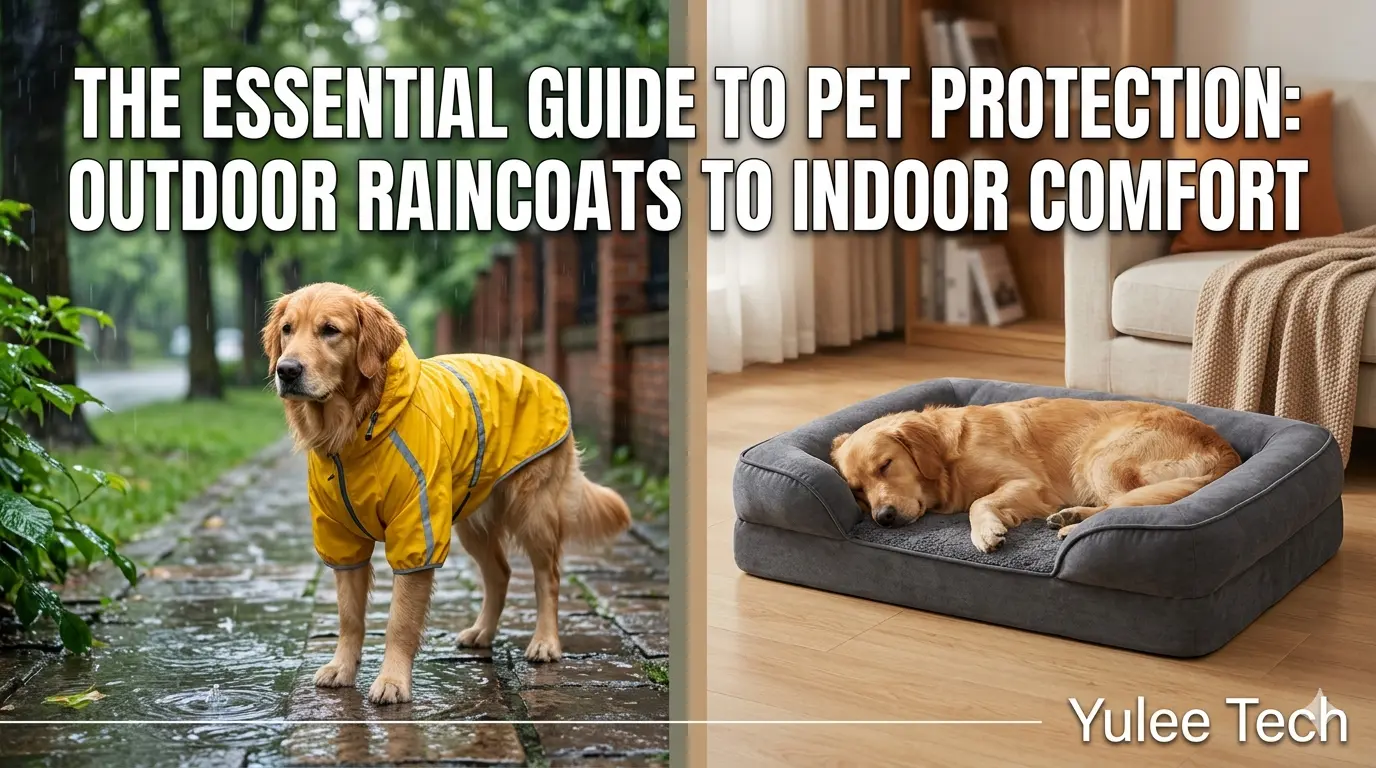
Outdoor activities present unique challenges for pet owners in rainy or windy climates. Proper clothing prevents the fur from soaking up moisture and mud. A specialized dog raincoat manufacturer selects breathable membranes like TPU or PVC for maximum protection. These materials block external water while allowing internal heat to escape. Designers integrate adjustable belly straps and elastic leg loops to ensure a snug fit. High-visibility reflective piping is a standard safety feature for night walks. Quality rain gear keeps the dog dry and reduces the post-walk cleaning time for the owner.
Technical Specifications for Waterproof Membranes
Waterproof ratings for pet apparel follow similar standards to human outdoor gear. Manufacturers test fabrics using a water column test to measure hydrostatic pressure. A rating of 5,000mm is usually sufficient for moderate rain protection. The seams of the raincoat undergo a heat-sealing process to prevent leakage through needle holes. Breathability ratings (mvt) ensure that the dog does not overheat during physical exertion. These technical details distinguish premium manufacturers from low-cost competitors.
Ergonomics and Breed-Specific Product Design
Breed diversity requires a wide range of product sizes and shapes. A raincoat for a Greyhound must accommodate a deep chest and a slim waist. Conversely, a sofa bed for a Bulldog needs a low entry point for easy access. Manufacturers use 3D modeling software to prototype these designs before mass production. Sizing charts must be accurate to reduce the rate of retail returns. Businesses that offer a comprehensive size range capture a larger segment of the market.
The Impact of Non-Toxic Materials on Brand Reputation
Chemical safety is a primary concern for modern consumers. Pet products must be free from lead, phthalates, and harmful fire retardants. Manufacturers use Oeko-Tex certified textiles to guarantee the absence of hazardous substances. Testing for colorfastness ensures that dyes do not transfer onto the pet’s fur or the owner’s flooring. Brands that prioritize these safety standards build stronger loyalty with their customer base. Independent third-party audits verify these claims during the production cycle.
Wholesale Procurement and Customization Trends
The B2B market for pet supplies is moving toward heavy customization. Retailers want unique colors and branded hardware to differentiate their offerings. Factories offer Private Label (PL) services where they embroider the client’s logo onto the product. Minimum Order Quantities (MOQs) vary depending on the complexity of the design. Large-scale distributors negotiate lower prices by committing to annual production volumes. Digital platforms facilitate these transactions by providing a bridge between global buyers and local producers.
Quality Control Protocols in Large-Scale Manufacturing
Quality control happens at three distinct stages of the manufacturing process. Initial inspection involves checking the raw materials for defects. During production, supervisors monitor the sewing lines to ensure consistent stitch density. The final inspection covers the packaging and labeling of the finished goods. Inspectors use the Acceptable Quality Level (AQL) standard to determine if a batch meets the client’s requirements. Detailed inspection reports provide peace of mind for buyers who cannot visit the factory in person.
Sustainability in the Pet Supply Industry
Eco-friendly manufacturing is no longer an optional feature. Consumers actively seek products made from recycled plastic bottles or natural fibers. Manufacturers are incorporating GRS-certified recycled polyester into their product lines. Biodegradable packaging materials reduce the environmental impact of the shipping process. Sustainability initiatives also include reducing energy consumption within the factory. Brands that adopt green practices often see a positive response in their market share.
Global Market Outlook for Pet Gear (2026-2030)
The pet industry shows consistent growth across all global regions. North America and Europe remain the largest markets for premium gear. However, the Asia-Pacific region is experiencing a surge in pet ownership and spending. Emerging markets drive the demand for affordable yet durable supplies. Manufacturers are expanding their production capacities to meet this rising global demand. Digital transformation is also changing how retailers discover and purchase new inventory.
Managing Seasonal Demand and Inventory Cycles
Pet products often follow seasonal sales patterns. Rain gear sells most during the autumn and spring months. Sofa beds see a peak in demand during the winter as owners look for warm indoor solutions. Manufacturers plan their production schedules months in advance to accommodate these peaks. Retailers must manage their warehouse space to ensure they have enough stock for the busy periods. Accurate sales forecasting prevents overstocking and reduces the need for heavy discounting.
Innovative Features in Modern Pet Bedding
Innovation drives the competitive landscape of pet bedding. Some manufacturers now include anti-microbial treatments to prevent the growth of bacteria. Others integrate heating elements or self-warming materials for therapeutic purposes. Removable and machine-washable covers are a mandatory requirement for convenience. These features justify higher price points and provide clear selling points for retail staff. Continuous research and development lead to better product performance over time.
Conclusion and Business Growth Strategies
The intersection of protection and comfort defines the modern pet industry. Success in this niche requires a deep understanding of manufacturing processes and material science. Reliable supply chains ensure that retailers can provide high-quality goods to their customers consistently. Business owners must stay informed about the latest trends in ergonomics and sustainability. Partnering with experienced production facilities allows brands to scale their operations efficiently. High standards for safety and durability will always remain the foundation of a successful pet care business.